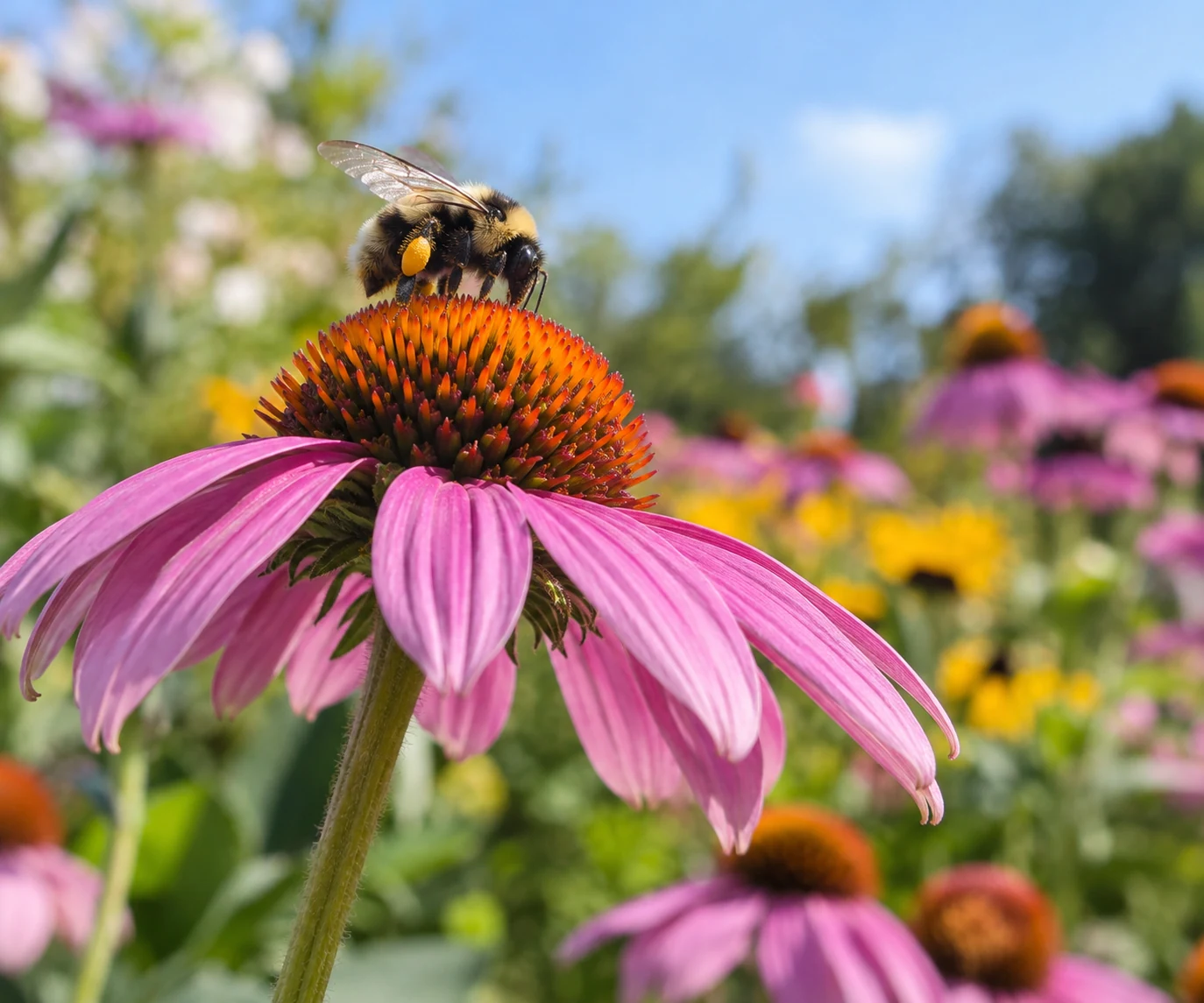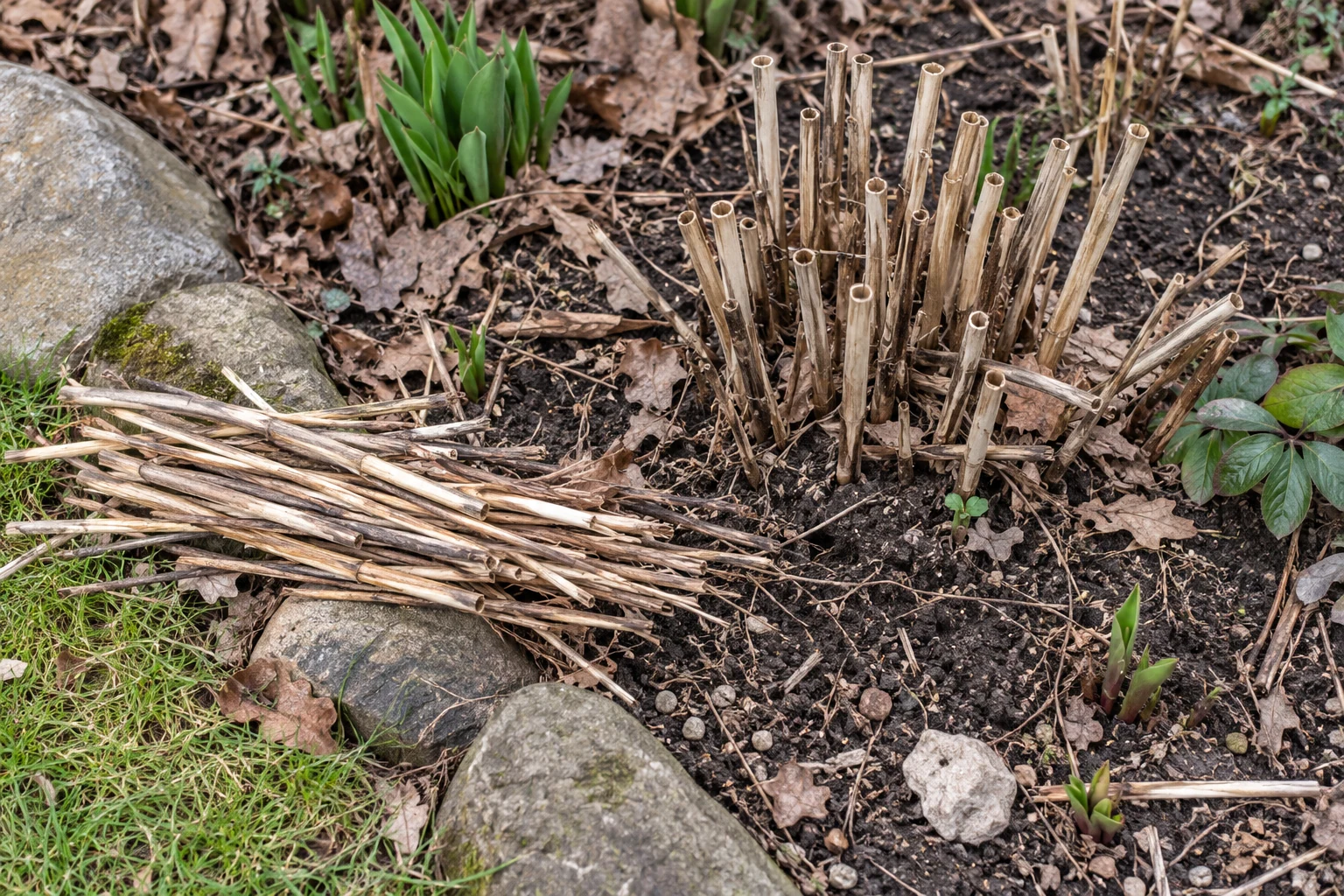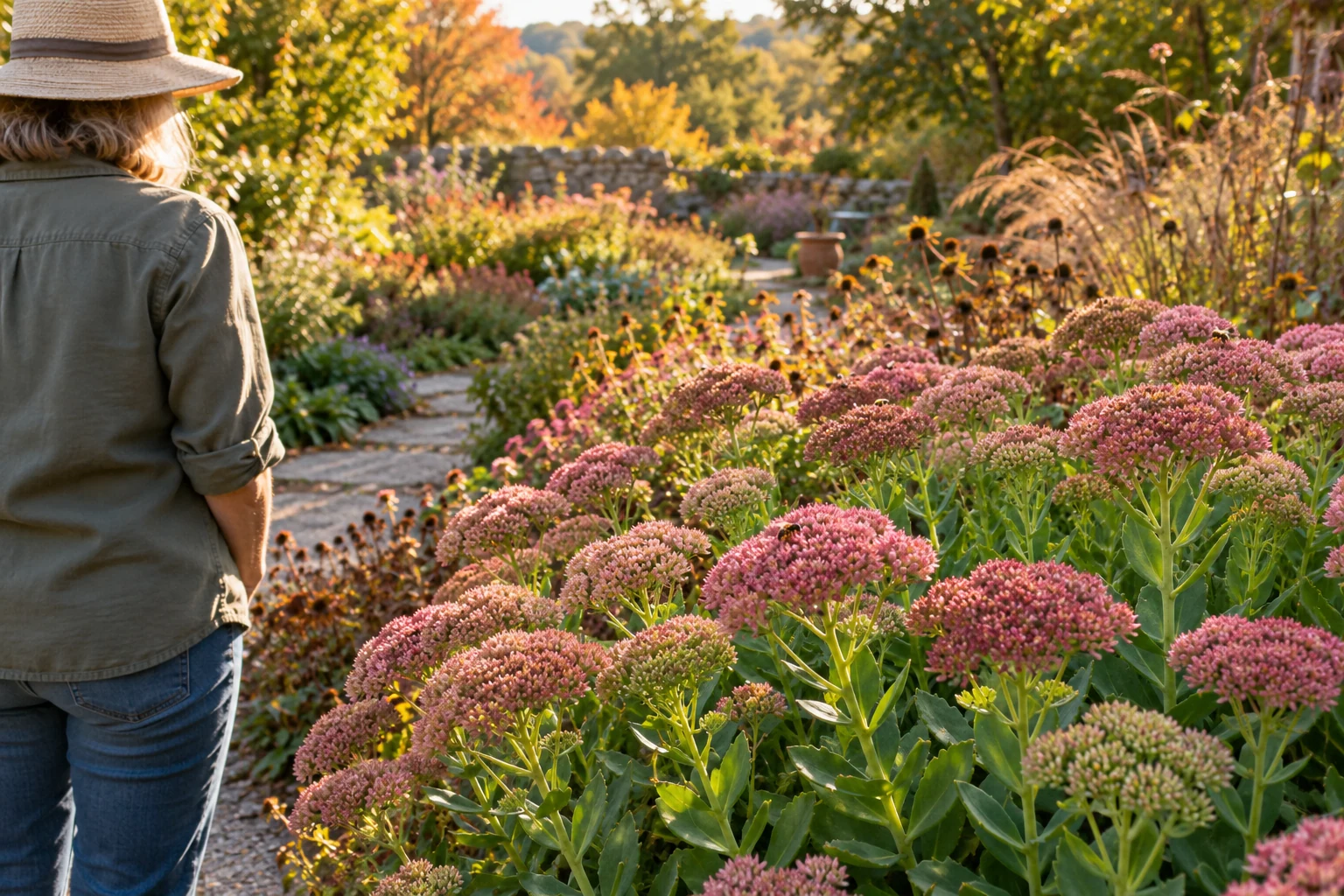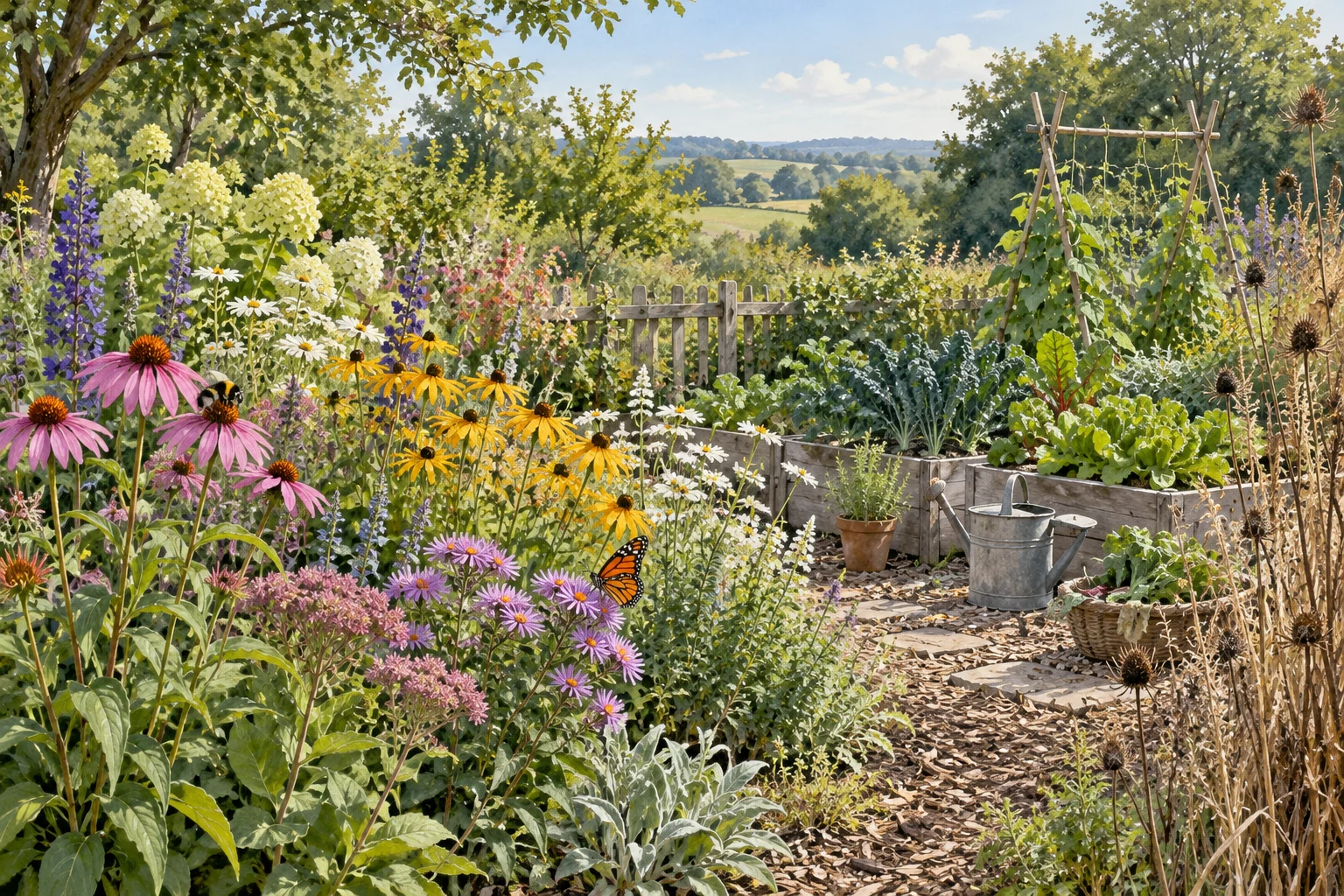
## Give helpful insects a place in your garden A garden can supply food and shelter for bees, butterflies, and other beneficial insects. Three practical choices make a useful starting point: provide flowers in spring, summer, and fall; disturb nesting and winter shelter areas less; and minimize pesticide use. Flowers serve more than visiting butterflies. Bees use nectar and pollen for themselves and their young, while beneficial predators and parasitic insects also draw nourishment from flowers. Supporting these visitors can bring additional color and interest to the garden throughout the growing season. ## Plan flowers as a seasonal sequence Start by looking at when your garden flowers, rather than simply counting how many flowering plants it contains. Think through spring, summer, and fall separately. Where does the display begin late or finish early? Use those gaps to guide your next plant choices, paying particular attention to early spring and the later part of fall. The aim is a succession of food sources. A garden full of summer flowers still needs attention at either end of the growing season. If you also grow fruit trees, squash, or other crops that depend on insect pollination, include other flowering plants nearby so pollinators have reasons to visit the garden beyond the crop's own flowering period. For May flowers, make deliberate additions to garden beds. Choose annuals and perennials that flower then instead of relying on a month without lawn mowing. Uncut grass can outcompete the clover or dandelions that the mowing pause was intended to encourage. ## Protect places where insects nest and overwinter Many native bees nest independently, with each female gathering food for her own young. Nest sites include soil, hollow stems, and openings among rocks. Some young bees remain underground through winter, making fall and early spring tillage a potential disturbance. Other insects shelter in leaf litter, mulch, and beneath stones. Where possible, leave these areas undisturbed until temperatures stay above 50°F. Artificial bee houses also require care: replace nesting tubes every year, but wait until all resident bees have emerged. Treat garden cleanup as a series of small decisions about what actually needs moving. Before working a vegetable bed, identify the area you will plant. Where practical, limit tillage to that space rather than turning the entire bed. This puts the source's advice to reduce soil disturbance into a manageable gardening habit. Apply the same thinking above ground. Hollow stems may contain overwintering bees or wasps, so delay removing them in spring until conditions have warmed. If trimming cannot wait, lay the cut stems somewhere insects can still emerge. Cutting a stem and immediately discarding it does not preserve that opportunity. Leaf litter, mulch, and stones deserve a place in the cleanup plan too. Consider which sheltered areas can wait while you attend to planting elsewhere. If you choose to add a bee house, include its annual tube replacement in your maintenance routine from the beginning. A purchased or homemade house comes with an ongoing care task. ## Reduce pesticide exposure and enjoy the visitors Many insecticides kill beneficial insects as well as pests, and helpful insects cannot recognize treated areas and avoid them. Products with brief residual activity, including insecticidal soaps and horticultural oils, can limit harm. More selective products affect particular groups; Btk, for example, kills caterpillars. Late flowers such as sedum can attract many insects when fall nectar is scarce. Bees and wasps foraging at flowers are unlikely to sting, although grabbing or stepping on them can provoke a sting. Make pesticide decisions part of the same plan as planting and habitat care. Inviting insects with flowers while exposing them to insecticides works against the garden's purpose. Begin with the goal of minimizing applications. When a treatment is needed, consider both how long its activity persists and which insects it affects. A product aimed at a narrower group still affects insects within that group, as the caterpillar example illustrates. If a lawn treatment is necessary, flowering clover or creeping Charlie needs attention as well. Keeping those plants mowed to prevent flowering can reduce the attraction for pollinators while insecticides are present. Leave room to enjoy the garden you are supporting. Watch insects moving among the flowers, or use their visits as opportunities for photography. Observe foraging bees and wasps without handling them. The flowers you planned, the stems you left, and the areas you disturbed less all contribute to making beneficial insects part of everyday garden life.